When fertility becomes a struggle, the focus so often lands on the woman. Tests, treatments, appointments. And quietly in the background, a male partner who may be carrying his own questions, his own worry, and not quite knowing where to turn.
The truth is that male fertility is a factor in around half of all conception difficulties. Fertility acupuncture in Middlesbrough is one of the most underused forms of support available to men on this journey. If you are specifically looking for information about acupuncture for male fertility, we also have a dedicated page covering everything in detail. This post is here to change that.
Key Takeaways
- Male fertility contributes to around 50% of all conception difficulties, so both partners matter
- Acupuncture can support sperm quality, motility, and hormonal balance through regular, consistent treatment
- New sperm takes approximately 74 days to fully mature, so patience and consistency are essential
- There are no needles near the genitals. Treatments are comfortable and focused on the legs, arms, back, and abdomen
- The best outcomes come when both partners are supported together
- Lifestyle changes work alongside acupuncture to create the best possible environment for conception
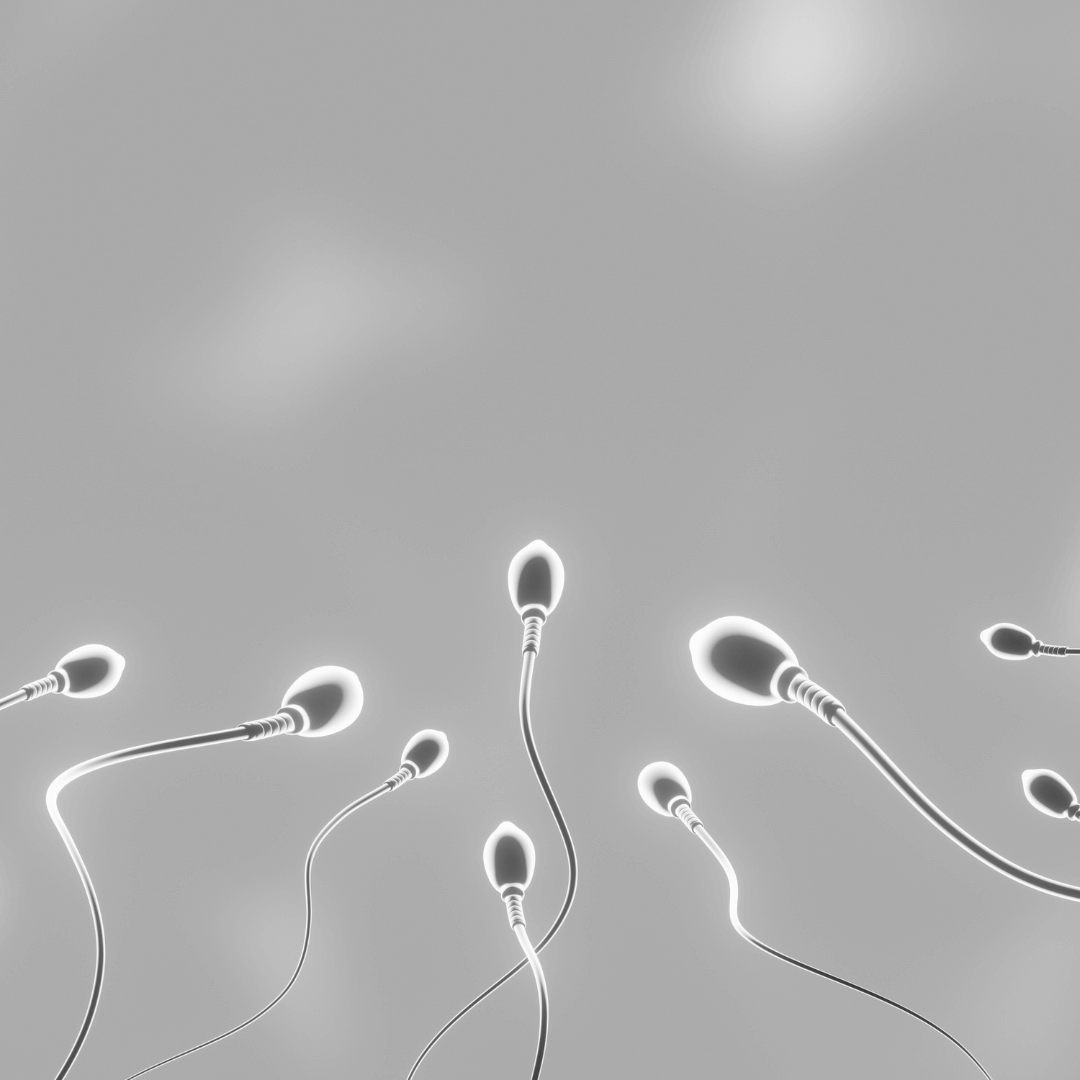
The Male Fertility Picture: What's Really Happening?
Something significant has been happening to male fertility over the past fifty years, and it hasn't received nearly enough attention.
Research published in Human Reproduction Update found that average sperm counts in Western countries fell by more than 50% between the 1970s and 2018. That's not a small shift. It represents a profound change in male reproductive health across generations, driven by a mix of lifestyle factors, environmental toxins, chronic stress, and modern living.
Here's the good news: male fertility is not fixed. Because men produce new sperm roughly every 72 to 90 days, positive changes in how you eat, sleep, move, and manage stress can lead to genuine improvements in sperm quality within a matter of months.
And this matters more than many couples realise. Research suggests that treating only the female partner leaves up to 60% of fertility issues unaddressed. Supporting both partners together tends to produce significantly better outcomes. If you're based in Middlesbrough or across Teesside and wondering what that support actually looks like, you're in the right place.
What Affects Male Fertility?
Sperm quality, count, and motility are shaped by more factors than most people realise. Smoking, excessive alcohol, poor diet, and chronic sleep deprivation all have a measurable impact on sperm health. So does the opposite extreme: over-exercising can suppress testosterone just as much as not moving at all.
Environmental exposure matters too. Pesticides, plastics, heavy metals, and endocrine-disrupting chemicals are increasingly linked to declining sperm quality. Scrotal temperature is something that doesn't get talked about enough. Tight clothing, laptops resting on the lap, and prolonged time in hot baths can all impair sperm production by simply raising the temperature of the surrounding tissue.
Chronic stress isn't imagined and it isn't minor. A sustained stress load creates hormonal disruption that directly suppresses testosterone and impairs sperm production. Managing the nervous system is central to supporting fertility, for both partners.
Some men also arrive with underlying medical factors worth addressing: varicocele (swelling of the veins in the scrotum), hormonal conditions such as hypogonadism, or infections affecting the reproductive tract. A semen analysis is always a useful starting point. It gives both you and your practitioner something concrete to build from.
How Acupuncture Supports Male Fertility
Acupuncture works by stimulating specific points on the body to regulate blood flow, reduce inflammation, balance hormones, and calm an overactivated nervous system. Treatments are comfortable and mostly deeply relaxing. There are no needles near the genitals. Points are placed on the legs, arms, abdomen, and back.
Sperm Quality, Motility, and Morphology
Several well-designed studies have looked at acupuncture's effect on sperm parameters, and the findings are consistently encouraging.
A randomised clinical trial by Kucuk et al. compared acupuncture with varicocelectomy surgery in men with varicocele-related infertility. Both groups showed significant improvements in sperm concentration and motility, but the increase in sperm concentration was actually higher in the acupuncture group. Pregnancy rates at 42-month follow-up were 33% in both groups.
Dieterle et al., publishing in Fertility and Sterility, found significantly improved sperm motility in men receiving acupuncture versus placebo. This is a meaningful finding, given that men with severely low sperm counts and motility are notoriously difficult to treat.
Siterman et al. found that acupuncture reduced scrotal skin temperature in men with elevated baseline readings, and in the majority of those men, sperm concentration increased once temperature normalised. Research by Chen et al. suggested acupuncture may also support the structures involved in sperm maturation, with measurable improvements in both enzyme markers and motility.
More large-scale trials are needed to fully understand the mechanisms at work, and I'll always be honest about that. But the existing evidence is consistent enough to take seriously, and the risk profile is low.
Hormonal Balance
Testosterone is essential for sperm production, libido, and overall reproductive function. Acupuncture works on the endocrine system, helping to bring hormone levels back into a more balanced range. For men with lower-than-optimal testosterone, this can translate into meaningful improvements in sperm quality over the course of treatment.
Stress and the Nervous System
This is often the area where men feel the effects most quickly, even before sperm parameters begin to shift. Acupuncture activates the parasympathetic nervous system (the "rest and restore" state) and reduces the output of cortisol and other stress hormones that suppress reproductive function.
For men who have been carrying the weight of fertility struggles quietly, that shift in itself can be significant.
Circulation and Blood Flow
Increased blood flow to the testicular tissue helps deliver the nutrients sperm cells need, while clearing the metabolic waste that can impair production. Healthy circulation is foundational to healthy sperm, and something acupuncture is particularly well placed to support.
How Long Does It Take to See Results?
This is the question I'm asked most often, and it deserves an honest answer.
The male body is continuously producing new sperm, but from initial cell division to a fully mature sperm cell capable of fertilisation, the process takes approximately 74 days. This means that any intervention, acupuncture, dietary change, supplementation, takes two to three months to show up meaningfully in a semen analysis. It's not a reflection of how well treatment is working. It's simply the biology of how sperm is made.
At our clinic in Middlesbrough, we typically recommend weekly sessions for at least three months. Consistency matters. The benefits build cumulatively, and they do build.

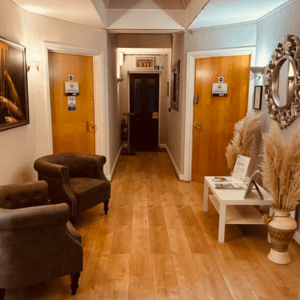
Our clinic at 283 Acklam Road, Middlesbrough, welcoming couples from across Teesside
What to Expect When You Come In
A first appointment begins with a proper conversation about your medical history, your lifestyle, your semen analysis results if you have them, and what's brought you here. Nothing is rushed.
From there, treatment is tailored to you specifically. Most men find the sessions genuinely relaxing; many fall asleep on the treatment table. Sessions typically run for 45 to 60 minutes, and we also look at what's happening outside the treatment room. Diet, sleep, stress, and supplement support are all part of the conversation. Acupuncture works best as part of a broader picture of care, not in isolation.
Supporting Both Partners: Why It Matters
This is something I feel strongly about, and I want to be direct with you about it.
When there is a sperm factor involved, whether that's low count, poor motility, or morphology concerns, I always recommend that both partners come for treatment together. Always. Not as a formality, but because the evidence from my own clinical work is clear: when both people are supported, outcomes genuinely improve.
Over the years I have worked with many couples through our Natural Fertility Programme here in Middlesbrough, and I have seen some remarkable things. Couples who arrived having been told IVF was their only option, who went on to conceive naturally. Couples who had spent years focusing solely on the female partner, who found that bringing the male partner into treatment shifted everything.
Fertility is not a solo endeavour. It never has been. And yet so much of the support available, medically and otherwise, is directed almost entirely at women. I think that needs to change, and I see it as part of my job to make sure that the men who come through our door feel just as supported, just as considered, and just as capable of influencing the outcome as their partners. Because they are.
Real Results: Stories from Clinic
I have been working with couples on their fertility journeys for a number of years now. The cases that stay with me most are the ones where a sperm factor was the central piece, and where bringing the male partner into treatment made all the difference.
One couple came to me after being told that due to the male partner's poor sperm quality, natural conception was not possible and IVF was their only realistic path. I treated both of them as part of our Natural Fertility Programme, with weekly sessions for just under four months and dietary and lifestyle support woven throughout. They conceived naturally. When they got in touch to tell me they had welcomed a healthy baby boy, I was genuinely moved. Not because acupuncture "fixed" anything, but because that couple gave themselves the chance, and their bodies responded.
Another couple arrived after years of trying, emotionally exhausted and quietly resigned to IVF. Like so many I see, the focus had been almost entirely on the female partner. When we brought the male partner into treatment and began addressing his stress, his sleep, and his sperm health, things began to shift for both of them. They conceived naturally, avoided IVF entirely, and saved themselves a significant amount of money, stress, and heartache in the process.
These are not unusual stories. Across the couples I have worked with in Middlesbrough and across Teesside, I have seen versions of this again and again. The body has more capacity than we are often told to expect, and when both partners are truly supported, that capacity tends to show up.
"Acupuncture isn't a guarantee, and I will never tell you it is. But for many of the couples I have worked with, it has opened a door that felt firmly closed."
Supporting Sperm Health Alongside Treatment
Acupuncture is most effective when it sits alongside a genuine commitment to reproductive health. The lifestyle piece is not an afterthought. It's integral.
- Eat to protect your sperm A diet rich in antioxidants (leafy greens, berries, nuts, seeds, oily fish) helps shield sperm from oxidative damage. Zinc, vitamin C, vitamin E, and selenium are particularly important.
- Prioritise sleep Seven to nine hours is when testosterone production peaks. This matters more than most men realise.
- Move regularly, not excessively Moderate exercise supports healthy testosterone levels. Extreme high-intensity training can suppress them.
- Manage heat exposure Laptops on the lap, prolonged hot baths, and tight clothing all raise scrotal temperature in ways that affect sperm production.
- Limit alcohol and eliminate smoking Both directly damage sperm DNA. Even modest reductions make a measurable difference.
- Address stress as a genuine priority Acupuncture, adequate rest, and nervous system support all contribute. Not as a side note, but as a core part of the plan.
Frequently Asked Questions
Does acupuncture for male fertility involve needles near the genitals?
No, not at all. This is one of the most common concerns men raise, and it's worth being very clear: treatment points are located on the legs, arms, lower abdomen, back, and hands. Sessions are comfortable, and most men find them deeply relaxing.
How many sessions will I need before seeing a difference?
Because sperm takes around 74 days to fully mature, we typically recommend at least three months of weekly treatment before assessing progress. This isn't a reflection of how well treatment is working. It's simply the biology of how sperm is made. Consistency is what makes the difference.
Can acupuncture help if my sperm count or quality is very low?
It can be a meaningful part of a supportive approach. Several studies have shown improvements in sperm parameters in men with low counts or poor motility following acupuncture. Results vary, and acupuncture works best as part of a wider plan which may include dietary support, lifestyle changes, and working alongside your medical team.
Is acupuncture worth pursuing alongside IVF?
Many couples find acupuncture a helpful complement to IVF preparation. Supporting sperm quality in the lead-up to treatment can contribute positively to embryo quality. For couples going through IVF with a sperm factor involved, our Roots To Transfer programme is designed to support both partners through the full IVF journey, from preparation through to transfer. You can also read more on our IVF acupuncture page.
My partner is already receiving acupuncture. Should I also have treatment?
Where there is a sperm factor involved, I always recommend both partners come for treatment. The outcomes I have seen when both people are supported are consistently better than when treatment focuses on one partner alone. It's not about responsibility or blame. It's about giving the whole process the best possible environment.
Final Thoughts
Male fertility is a vital part of the conception picture, and for too long it has been treated as secondary. If you or your partner are finding things harder than expected, please know that meaningful support is available and you don't have to wait until every other option has been exhausted to access it.
If there is a known sperm factor involved, I would encourage you, gently but clearly, not to wait. Coming for treatment together as a couple is the approach I recommend most strongly. In my experience, it is the one that makes the greatest difference.
The evidence is encouraging, the approach is gentle, and the outcomes I have witnessed over the years, with couples from Middlesbrough, Stockton, Yarm, and across Teesside, have genuinely changed lives. Support is here whenever you are ready.
This post draws on peer-reviewed research including studies published in Fertility and Sterility, Human Reproduction Update, and the Archives of Andrology. Acupuncture is a complementary therapy and is not a replacement for medical advice. Always work alongside your GP or fertility specialist.